

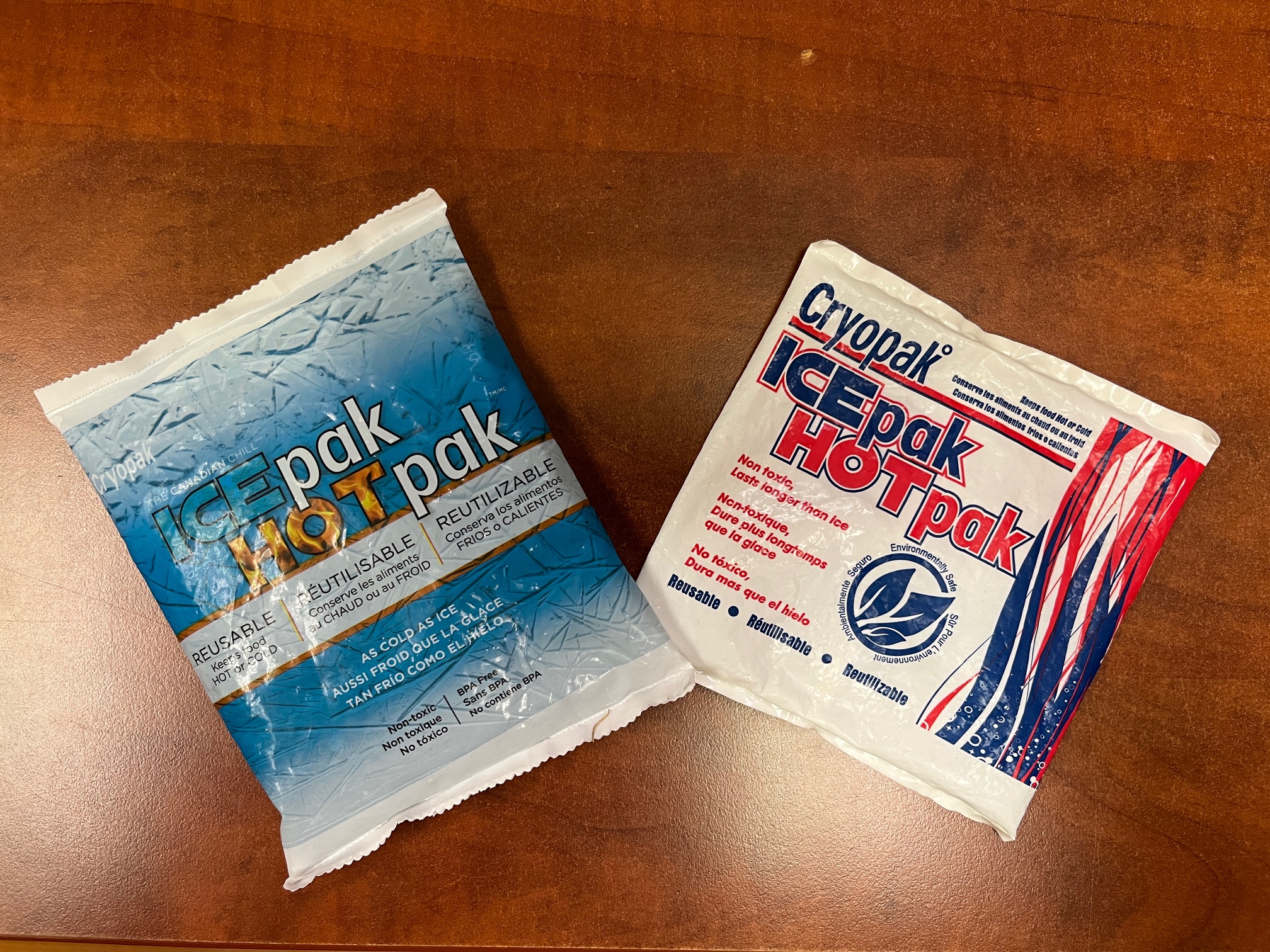
When you’re dealing with pain—whether from a sudden injury, a pulled muscle, or a chronic ache—one of the first questions that comes to mind is: Should I use ice or heat?
It’s a simple decision, but using the wrong one can delay recovery or even make symptoms worse. Understanding how and when to apply these therapies can help reduce pain faster and support proper healing.
This guide, provided by your Vancouver chiropractor, breaks down the differences between ice and heat, when to use each, and the reasoning behind both, so you can make confident choices when injuries happen.
Why Ice and Heat Work Differently
Ice and heat are both powerful tools, but they accomplish very different things inside your body.
❄️ Ice (Cold Therapy): Reduces Swelling & Numbs Pain
Cold therapy works by narrowing blood vessels, which helps:
-
Decrease inflammation
-
Reduce swelling
-
Slow down pain signals
-
Minimize bruising
This makes ice ideal for fresh, acute, or inflamed injuries.
🔥 Heat (Thermotherapy): Loosens Muscles & Improves Circulation
Heat has the opposite effect—it widens blood vessels, helping:
-
Increase blood flow
-
Relax tight muscles
-
Reduce stiffness
-
Promote tissue flexibility
Heat works best for chronic pain, stiffness, and muscle tightness.
Understanding these opposite effects is the key to choosing correctly.
When to Use Ice: The Cold, Hard Facts
Cold therapy is best used for acute injuries, meaning injuries that have occurred in the last 24–72 hours. These injuries are typically associated with swelling, inflammation, redness, and sharp pain.
Use ice when:
-
The injury is new
-
There is noticeable swelling
-
The area feels warm or inflamed
-
You have sharp or throbbing pain
-
You experience a sudden strain or sprain
Examples of when ice is appropriate:
-
Ankle sprains
-
Knee injuries with swelling
-
Acute low-back flare-ups
-
Pulled muscle from sudden movement
-
Sports injuries
-
Bruises
How to apply ice safely
-
10–15 minutes at a time
-
Every 1–2 hours as needed
-
Use an ice pack wrapped in a thin towel
-
Never apply ice directly to the skin
-
Avoid icing for too long, as it can irritate the skin or cause tissue damage
Why ice works
When an injury occurs, your body increases blood flow to the area as part of the inflammatory process. Although inflammation is necessary for healing, excessive swelling can increase pain and limit movement. Ice helps control this early phase so the injury heals more efficiently.
When to Use Heat: The Warming Truth About Thermotherapy
Heat therapy is most effective for chronic issues or tight, achy muscles. It eases stiffness and increases blood flow, making muscles more pliable and reducing discomfort.
Use heat when:
-
Pain is chronic (lasting weeks or months)
-
The area feels tight or stiff
-
You’re preparing for physical activity
-
There is no swelling present
-
You need to relax muscles or joints
Examples of when heat is appropriate:
-
Chronic low-back pain
-
Neck and shoulder tension
-
Hip tightness
-
Mild arthritis without inflammation
-
Stiff joints in the morning
How to apply heat safely
-
15–20 minutes at a time
-
Use warm (not hot) heat
-
Moist heat often works best (heating pad, warm shower, warm towel)
-
Avoid falling asleep with a heating pad
-
Stop if the area becomes red or uncomfortable
Why heat works
Heat improves circulation, which brings oxygen and nutrients to tissues. This helps tight or overworked muscles relax, reduces stiffness, and increases mobility. It’s also beneficial before stretching or exercise because muscles respond better when they’re warm.
Avoid Heat for Acute Injuries
One of the most common mistakes is applying heat too early. If an injury is swollen, bruised, or actively inflamed, heat can make things worse by increasing blood flow to already irritated tissues. This often leads to more swelling and prolonged recovery.
What About Using Heat and Ice Together?
Some people benefit from using both, but timing is everything.
Contrast therapy
Alternating heat and ice can be effective for:
-
Chronic muscle soreness
-
Stiff muscles with mild inflammation
-
Certain overuse injuries
How it works:
Heat increases blood flow, then ice constricts vessels. The alternating effect may help pump fresh blood into the area and reduce residual inflammation.
But this method is best for chronic conditions, not fresh injuries.
A Simple Rule You Can Remember
If you forget everything else, here’s the easiest way to decide:
Ice → for swelling, inflammation, and sharp pain
Heat → for stiffness, tightness, and chronic aches
Or even simpler:
👉 If it’s swollen, use ice. If it’s stiff, use heat.
Common Myths About Ice and Heat
Myth 1: “Heat works for any kind of pain.”
Not true. Heat can actually worsen pain if swelling is present.
Myth 2: “Ice should be applied indefinitely.”
Icing too long can slow healing. Short, frequent sessions are best.
Myth 3: “If ice hurts, it’s working.”
Ice should feel cool and numbing, not painful or burning.
Myth 4: “You can use heat right after an injury to relax it.”
Heat makes acute injuries worse—stick with ice for the first 2–3 days.
What Should You Do If Pain Isn’t Improving?
If an injury doesn’t improve within a few days, or if symptoms worsen, it’s a good idea to seek professional assessment. A chiropractor or healthcare provider can determine whether the issue involves:
-
Ligament sprains
-
Muscle strains
-
Joint misalignments
-
Nerve involvement
-
Biomechanical issues caused by flat feet or poor posture
They can also provide tailored treatment and movement strategies to help your body heal properly.
Ice and heat are simple, effective tools to manage pain—when used correctly. Ice is best for fresh, swollen, or inflamed injuries, while heat works well for chronic discomfort, stiffness, and tight muscles.
Choosing the right one can speed up your recovery, reduce discomfort, and prevent further injury.
Article by: Dr. Farokh Zavosh
Burrard Chiropractic & Foot Orthotics – Chiropractor Vancouver