

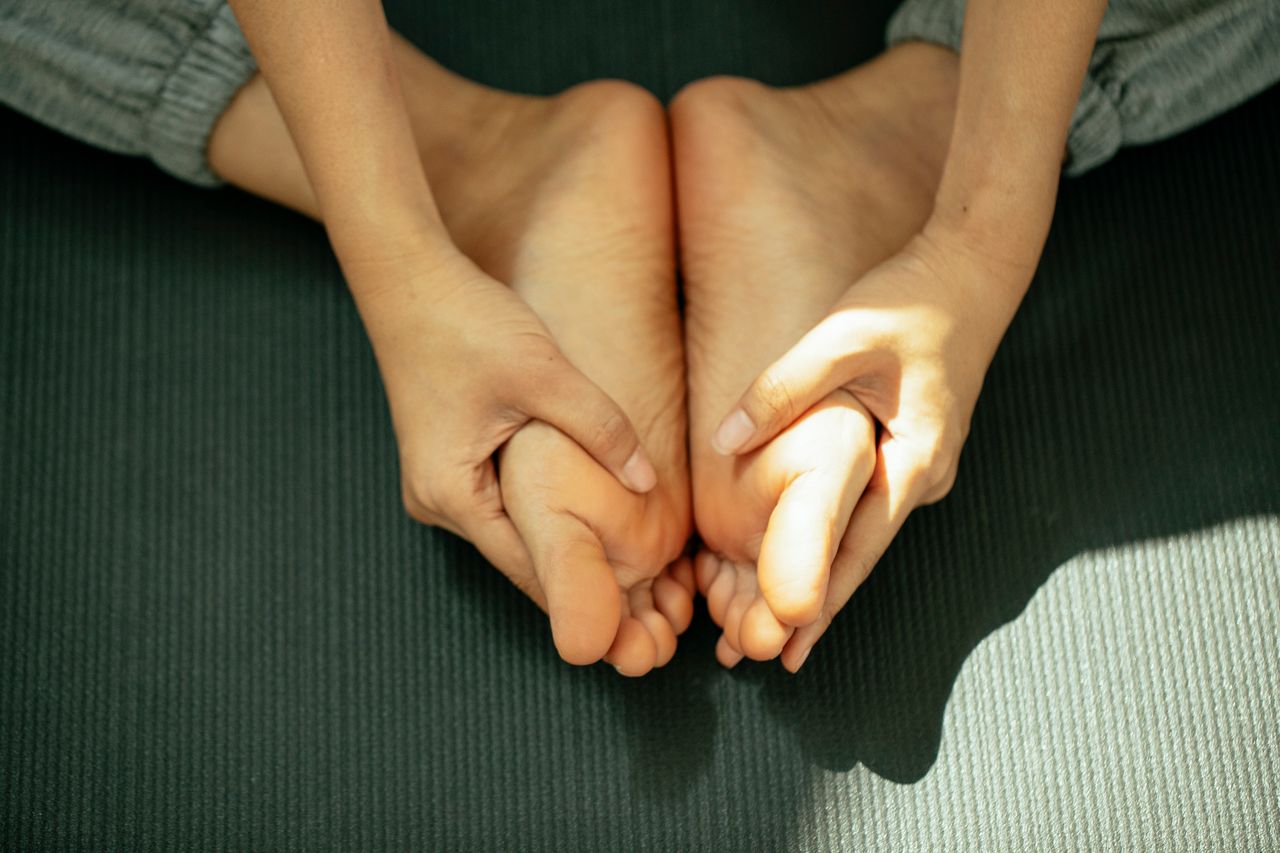
Bunions are one of the most common foot conditions affecting adults, causing pain, swelling, and difficulty walking. While many people believe surgery is the only solution, conservative treatment can often provide significant relief. One of the most effective non-surgical options is custom foot orthotics, which help improve foot mechanics, reduce stress on the affected joint, and slow the progression of the deformity.
If you’re searching for a chiropractor in Vancouver or looking for professional advice about custom foot orthotics, understanding how orthotics work can help you make informed decisions about your foot health.
What Is a Bunion?
A bunion, medically known as hallux valgus, is a bony prominence that develops on the inside of the foot at the base of the big toe. As the condition progresses, the big toe gradually shifts toward the second toe, causing the joint to protrude outward.
Bunions develop gradually over many years and can range from mild to severe. Left untreated, they may interfere with walking, exercise, and everyday activities.
Common symptoms include:
- Pain around the base of the big toe
- Redness and swelling
- Tenderness when wearing shoes
- Thickened skin or calluses
- Reduced movement of the big toe
- Difficulty finding comfortable footwear
- Pain after prolonged standing or walking
What Causes Bunions?
Several factors contribute to bunion development. Genetics play a significant role, but abnormal foot mechanics often accelerate the condition.
Common causes include:
- Flat feet (overpronation)
- Excessive foot instability
- High arches in some individuals
- Tight calf muscles
- Poor footwear with narrow toe boxes
- Arthritis
- Previous foot injuries
- Occupational standing for long periods
Many patients inherit the foot structure that makes bunions more likely rather than inheriting the bunion itself.
Why Foot Mechanics Matter
Every step you take places forces through the foot. During walking, the big toe joint bears a substantial portion of your body weight during push-off.
When the foot excessively rolls inward (pronation), the first metatarsal bone becomes unstable. Over time, this instability causes the big toe to drift toward the smaller toes while the metatarsal bone shifts inward, gradually creating the classic bunion deformity.
Poor foot alignment also places additional stress on:
- The plantar fascia
- Ankles
- Knees
- Hips
- Lower back
Correcting abnormal biomechanics is one of the primary goals of conservative bunion treatment.
How Custom Foot Orthotics Help Bunions
Custom foot orthotics are prescription medical devices designed specifically for your feet. Unlike over-the-counter insoles, they are made from detailed measurements, gait analysis, and a three-dimensional cast or digital scan of your feet.
A properly designed orthotic does not “push” the bunion back into place. Instead, it addresses the underlying biomechanical problems contributing to pain and progression.
1. Improve Foot Alignment
One of the biggest benefits of custom orthotics is improving overall foot alignment.
By supporting the arches correctly, orthotics help reduce excessive pronation and stabilize the foot during walking.
Better alignment means less abnormal force is transmitted through the first metatarsophalangeal (MTP) joint where the bunion develops.
2. Reduce Pressure on the Big Toe Joint
Every step places pressure on the bunion.
Custom orthotics redistribute body weight more evenly across the foot, reducing concentrated stress on the painful joint.
Many patients notice less discomfort during walking, standing, shopping, and exercise after wearing properly fitted orthotics.
3. Slow Progression of the Deformity
Although orthotics cannot reverse an established bunion, they may help slow its progression by improving foot mechanics.
Reducing abnormal movement and stabilizing the first ray decreases repetitive stress that contributes to worsening deformity.
Early intervention often provides the best long-term results.
4. Improve Walking Efficiency
Pain changes the way people walk.
Many individuals with bunions unconsciously shift weight to the outside of the foot to avoid pressure on the big toe.
This compensation can lead to:
- Knee pain
- Hip discomfort
- Lower back pain
- Calluses
- Metatarsalgia
Custom orthotics encourage a more natural walking pattern, reducing unnecessary strain throughout the lower body.
5. Enhance Comfort During Daily Activities
Patients frequently report greater comfort during:
- Walking
- Hiking
- Running
- Standing at work
- Traveling
- Recreational sports
The improvement comes from better pressure distribution rather than cushioning alone.
Why Over-the-Counter Insoles Are Often Not Enough
Store-bought insoles may provide temporary cushioning, but they are not designed to correct an individual’s specific biomechanics.
Every person’s feet are unique.
Custom foot orthotics are created based on:
- Foot structure
- Walking pattern
- Arch height
- Joint mobility
- Weight distribution
- Activity level
- Footwear requirements
This personalized approach produces significantly better long-term support than generic inserts.
Other Conservative Treatments for Bunions
Custom orthotics often work best when combined with other conservative measures, including:
Proper Footwear
Choose shoes with:
- Wide toe boxes
- Low heels
- Good arch support
- Flexible forefoot
- Stable heel counter
Avoid narrow, pointed shoes that compress the toes.
Stretching Exercises
Stretching the calf muscles and plantar fascia may improve lower limb mechanics and reduce abnormal loading.
Strengthening Exercises
Exercises targeting the intrinsic foot muscles can improve stability and support proper toe function.
Ice Therapy
Applying ice after prolonged activity can reduce inflammation and relieve discomfort.
Activity Modification
Reducing repetitive high-impact activities during painful flare-ups may allow irritated tissues to recover.
When Is Surgery Necessary?
Surgery is generally considered when conservative treatment no longer provides adequate relief and pain significantly limits daily activities.
Orthotics remain beneficial before surgery because they help manage symptoms. In many cases, they are also recommended after surgery to maintain improved foot mechanics and reduce stress on the corrected joint.
Who Should Consider Custom Foot Orthotics?
You may benefit from custom orthotics if you have:
- Mild or moderate bunions
- Flat feet
- Overpronation
- Foot pain while walking
- Pain during sports
- Knee or hip pain associated with foot alignment
- Family history of bunions
- Occupations requiring prolonged standing
Early assessment is especially valuable, as addressing abnormal biomechanics before the deformity becomes severe may help preserve comfort and function.
Professional Assessment Is Essential
Before recommending orthotics, a qualified healthcare provider should perform a comprehensive foot examination.
This typically includes:
- Medical history
- Physical examination
- Joint mobility assessment
- Muscle testing
- Posture evaluation
- Computerized gait analysis
- Three-dimensional foot casting or digital scanning
- Footwear assessment
A thorough evaluation ensures that the orthotics are designed to meet your specific needs.
Can Chiropractic Care Help?
Many patients with bunions also experience discomfort in the ankles, knees, hips, or lower back due to altered walking mechanics. Chiropractic care can complement custom foot orthotics by assessing the entire kinetic chain, improving joint mobility, and addressing muscular imbalances that may contribute to abnormal movement patterns.
When combined with properly fitted orthotics, a comprehensive treatment plan may help improve overall comfort, mobility, and function.
Conclusion
Bunions are a progressive condition, but surgery is not always the first or only solution. Custom foot orthotics offer a safe, evidence-informed, non-invasive approach to reducing pain, improving foot function, and supporting healthier walking mechanics. While they cannot reverse an existing bunion, they can help decrease pressure on the affected joint, improve alignment, and potentially slow the progression of the deformity.
If you are experiencing bunion pain, an early assessment can identify the biomechanical factors contributing to your symptoms and determine whether custom orthotics are appropriate for you.
At Burrard Chiropractic and Foot Orthotics in Downtown Vancouver, Dr. Farokh Zavosh provides comprehensive foot assessments, computerized gait analysis, and custom-made foot orthotics tailored to each patient’s unique biomechanics. Early intervention can help you stay active, reduce discomfort, and support your long-term foot health.
Article by: Dr. Farokh Zavosh
Burrard Chiropractic & Foot Orthotics – Chiropractor Vancouver