

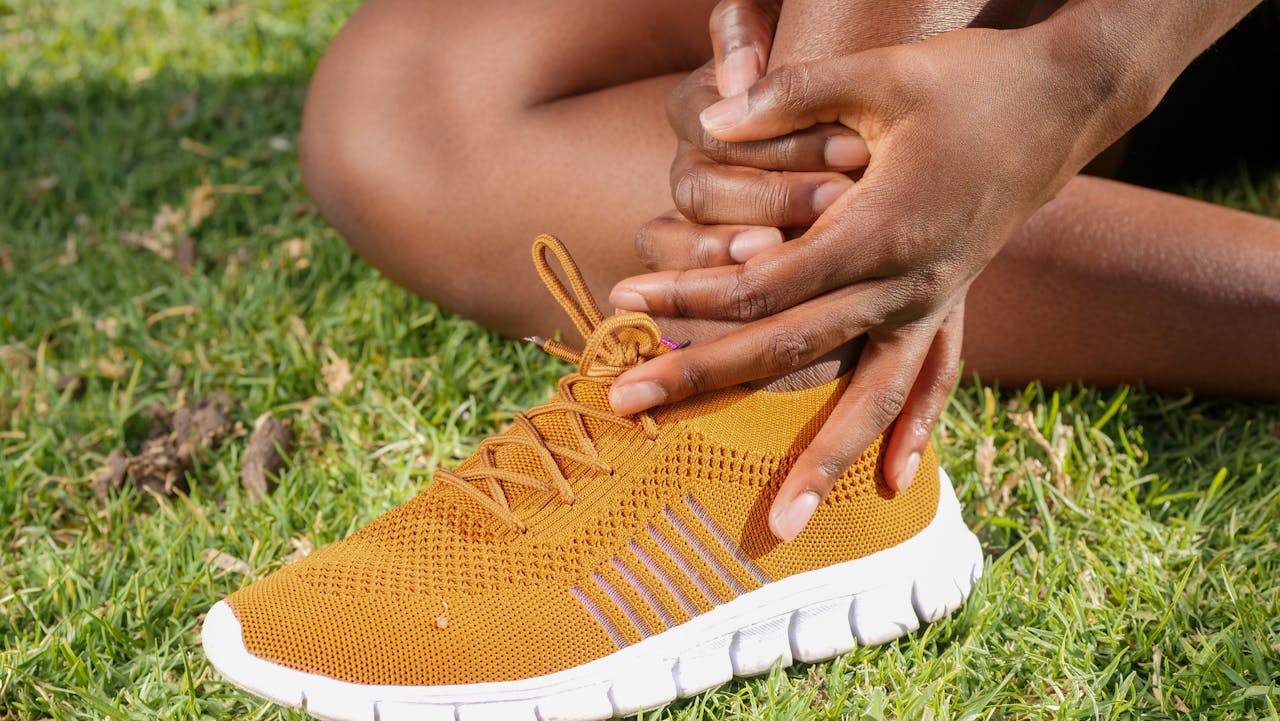
Do Orthotics Help with Ankle Pain? A Chiropractor’s 25-Year Perspective
Ankle pain is one of the most common complaints I see in clinical practice, especially among active individuals and people who spend long hours on their feet. A question I hear almost daily is: “Do orthotics actually help with ankle pain?”
The short answer is yes—but only when they are prescribed correctly and used as part of a comprehensive treatment plan.
After 25 years of clinical experience combining chiropractic adjustments, soft tissue therapy, and corrective stretching, I’ve seen firsthand how custom orthotics can significantly reduce ankle pain in the right patients. However, they are not a one-size-fits-all solution, and understanding when and why they work is key.
Understanding the Root Cause of Ankle Pain
Before we talk about orthotics, it’s important to understand that ankle pain is often not just an “ankle problem.”
In many cases, the issue starts at the foundation—the feet.
Poor foot mechanics, especially overpronation (collapsed arches) or improper gait patterns, can place abnormal stress on the ankle joint. Over time, this can lead to:
- Chronic ankle instability
- Tendon irritation
- Ligament strain
- Repetitive stress injuries
If the foot is not properly aligned, the ankle is forced to compensate. This is where orthotics come into play.
How Orthotics Help with Ankle Pain
Custom orthotics are designed to improve how your feet function during standing, walking, and running. When properly prescribed, they can:
1. Improve Foot Alignment
Orthotics help correct excessive pronation or supination, bringing the foot into a more neutral position. This reduces unnecessary strain on the ankle joint.
2. Reduce Stress on Soft Tissues
By supporting the arch and stabilizing the heel, orthotics decrease the workload on tendons and ligaments around the ankle.
3. Enhance Shock Absorption
Every step creates force that travels up the body. Orthotics help distribute that force more evenly, reducing impact on the ankle.
4. Improve Movement Efficiency
Better biomechanics mean smoother, more controlled movement—especially important for athletes and runners.
Why Orthotics Alone Are Not Enough
One of the biggest misconceptions I see is the belief that orthotics alone will “fix” ankle pain.
In reality, the best results come from a combined approach.
In my practice, orthotics are typically used alongside:
- Chiropractic adjustments to restore joint mobility
- Soft tissue therapy to release tight muscles and reduce inflammation
- Stretching and rehab exercises to improve flexibility and strength
This combination addresses both the cause of the problem and the symptoms, leading to more lasting results.
Real Case Example: Chronic Ankle Pain in a Runner
One of the most common patterns I see is in runners.
A patient came in with chronic ankle pain that had been ongoing for months. The pain would flare up during runs and linger afterward, limiting performance and consistency.
After assessing their gait and foot mechanics, it was clear that excessive pronation was placing repeated stress on the ankle.
Treatment Plan:
- Custom orthotics to support the arch and stabilize the foot
- Chiropractic adjustments to improve joint alignment
- Soft tissue therapy to reduce tension in the lower leg
- Targeted stretching exercises
Outcome:
Within a few weeks, the patient reported reduced pain. Over time, they were able to return to running more consistently with significantly less discomfort.
This is a typical example of how orthotics, when used correctly, can play a key role in recovery.
When Orthotics Work Best
Orthotics tend to be most effective for ankle pain when the issue is related to:
- Flat feet or fallen arches
- Overpronation
- Poor walking or running mechanics
- Repetitive strain injuries
- Chronic instability
In these cases, correcting the foundation often leads to noticeable improvement in symptoms.
When Orthotics May Not Help
It’s just as important to understand when orthotics are not the solution.
Orthotics alone may have limited impact if:
- The pain is due to an acute injury (like a severe sprain)
- There is significant joint damage
- Muscle weakness or tightness is not addressed
- The orthotics are poorly fitted or generic
This is why proper assessment and customization are critical. Over-the-counter insoles often don’t provide the level of correction needed for more complex issues.
The Importance of Proper Assessment
Not all orthotics are created equal.
For orthotics to truly help with ankle pain, they must be based on a detailed evaluation that includes:
- Foot structure analysis
- Gait assessment
- Postural evaluation
- Movement patterns
Without this, even a well-made orthotic may not address the actual cause of the problem.
A Common Misconception About Orthotics
One of the most common misconceptions is that orthotics “weaken the feet.”
In reality, when prescribed correctly, orthotics do the opposite—they allow the foot and ankle to function more efficiently by reducing excessive strain.
That said, they should not replace proper muscle conditioning. This is why I always incorporate stretching and strengthening into treatment plans.
Why Experience Matters
With 25 years of experience prescribing orthotics, one thing is clear: success depends on precision.
It’s not just about giving someone arch support—it’s about understanding how the entire body moves and how the feet influence that movement.
Every patient is different, and the most effective orthotics are those that are tailored not just to the foot, but to the individual’s lifestyle, activity level, and biomechanics.
Do Orthotics Help with Ankle Pain? Final Verdict
Yes—orthotics can be highly effective for ankle pain when:
- The root cause is related to foot mechanics
- They are properly prescribed and customized
- They are combined with hands-on treatment and rehab
They are not a magic fix, but when used as part of a comprehensive approach, they can significantly reduce pain, improve function, and help prevent recurrence.
Looking for Help with Ankle Pain in Vancouver?
If you’re dealing with ongoing ankle pain, it may be time to look beyond the ankle itself.
A proper assessment can determine whether your foot mechanics are contributing to the problem—and whether custom orthotics could help.
In my Vancouver practice, I combine orthotic therapy with chiropractic care, soft tissue work, and stretching programs to address ankle pain at its source.
Article by: Dr. Farokh Zavosh
Burrard Chiropractic & Foot Orthotics – Chiropractor Vancouver